Toronto’s rental landscape is set for a significant boost, with over 5,600 new rental homes planned across more than 18 projects in the next three years—thanks to a collaboration between the city and the federal government. With more than $2.7 billion in federal funding, this initiative will help bring a diverse mix of affordable, supportive, rent-geared-to-income, and rent-controlled housing to the city. Construction on over 4,500 of these homes is scheduled to start before the end of 2026, bringing much-needed momentum to Toronto’s rental supply. As someone who has guided clients through Toronto’s evolving real estate market for over 15 years, I see firsthand how expanding the range of rental options is essential for meeting the needs of our diverse communities. This partnership not only addresses immediate supply issues but also demonstrates a commitment to providing a broader range of housing solutions for every stage of life in the city.
Author: Arul Sivasubramaniam
-
Toronto Housing Market Outlook 2026
Greater Toronto Area home sales in July 2026 were nearly flat year-over-year, but new listings dropped sharply by 17.8%, tightening supply. Average home prices fell about 4.5% annually, with condos seeing the largest decline. Detached homes saw slight sales growth. The sales-to-new-listings ratio indicates a balanced market, but shrinking supply suggests less buyer negotiating power ahead. Average rent in Toronto was $2,580 in June.
Continue to full article -
Happy Labour Day!
Labour Day in Canada marks a well-earned break celebrating workers and the unofficial end of summer, when everyone suddenly remembers all the things they meant to do in August.
It’s the last big excuse for barbecues, lake trips, and squeezing in one more summer adventure before routines and school schedules take over again.
Stores and sidewalks feel a little calmer, while patios and parks get their final big rush of summer energy and “just one more weekend” vibes.
Happy Labour Day! Wishing you a relaxed, fun-filled long weekend with good food, no alarms, and maximum enjoyment before fall shows up uninvited. -
Falling home prices drive record 10th straight quarter of affordability gains
Housing affordability has seen its 10th consecutive quarter of improvement, thanks to declining home prices balancing out the effects of rising mortgage rates. Currently, mortgage payments account for 51.1% of the median income—a figure worth watching closely. While Vancouver continues to be the least affordable market, the path forward depends on how incomes grow and how well price increases are managed. With over 15 years in the GTA and Ontario real estate market, I’ve witnessed firsthand how changing affordability shapes our decisions, whether you’re buying, selling, or investing. Understanding these trends is key to making informed choices and achieving your real estate goals.
Continue to full article -
5 Habits Successful Real Estate Agents Do Daily
The real estate market is highly competitive, with twice as many agents as listings. To stand out, agents should build a daily schedule, continuously educate themselves, leverage social media authentically, engage actively in their local community, and set clear outcome, performance, and process goals. Using hyperlocal platforms like Nextdoor can help agents connect with neighbors and grow their business effectively.
Continue to full article -
Hidden Costs Beyond Rent
Utility costs can spike fast in Toronto. One renter's hydro bill went from $115 to $200 after a recent heat wave and added AC use.
Beyond rent, tenants may face parking permits, portable AC purchases, space heaters, and storage costs, especially when smaller units or drafty spaces create extra needs.
Tenant insurance can affect budgets from day one, and Toronto renters should know Ontario bans pet fees, pet deposits, damage deposits, and security deposits.
Rent increases are common, but most Toronto tenants get annual caps. In 2027, the guideline is ~2%, with at least 90 days' written notice.
If landlords seek repair payments or above-guideline hikes, tenants can challenge them. Clear leases help Toronto renters confirm responsibilities and spot illegal charges early. -
Toronto Affordability Gains in Q2 2026
In Late-Q2 2026, Toronto saw one of the strongest affordability gains as falling home prices, not easier financing, became the main driver.
Toronto recorded a ~2.5-point affordability improvement after its representative home price fell ~4% during the quarter, leaving the payment-to-income ratio near 68%.
In Toronto, the shift from rate-driven to price-driven gains was especially clear, highlighting how softer prices recently improved buying conditions more than mortgage rates.
For Toronto buyers, mortgage rates were not expected to deliver much additional relief over the next year, making other affordability supports increasingly important.
In Toronto, further affordability improvement increasingly depended on income growth and restrained home-price appreciation, as financing costs were no longer expected to help. -
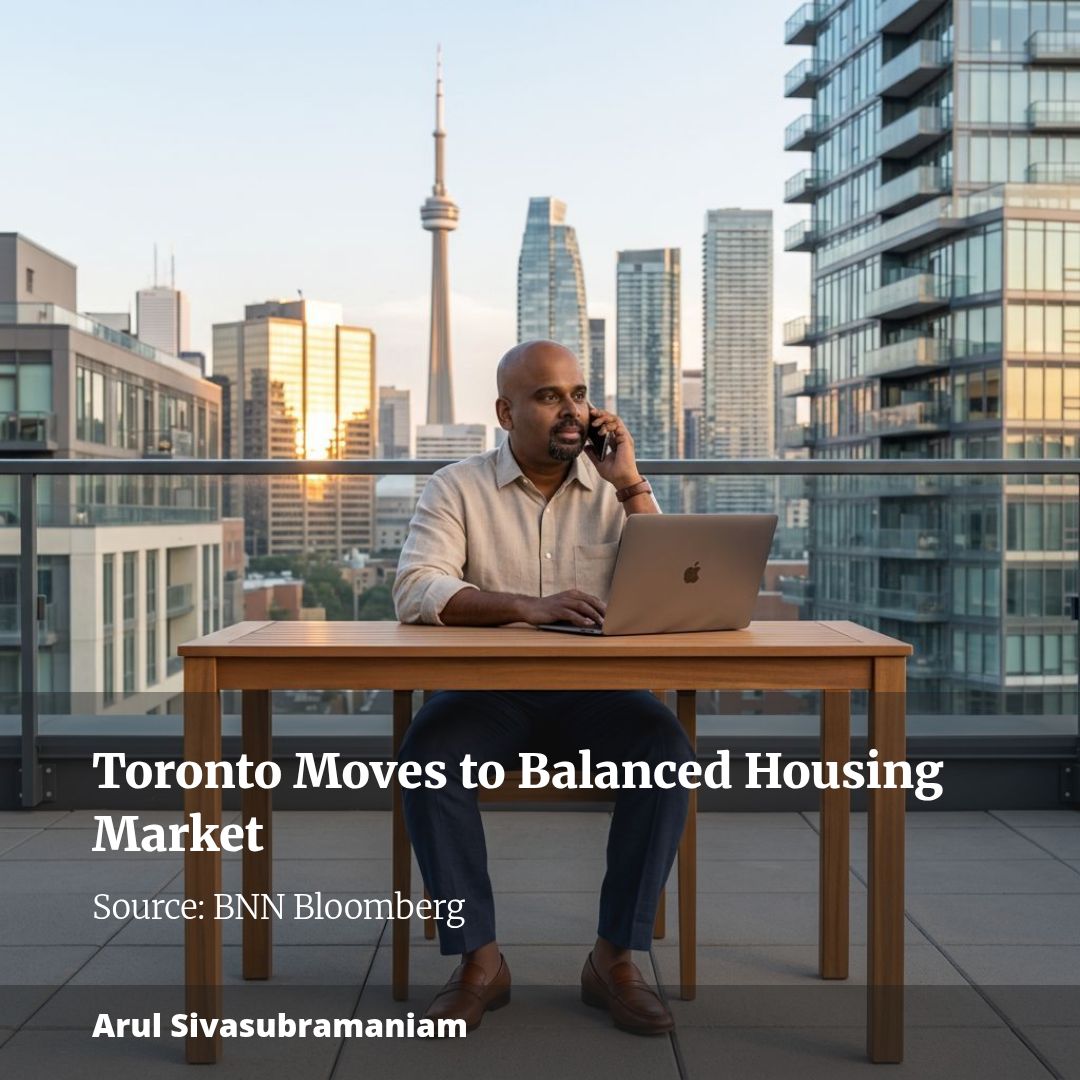
Toronto Housing Market Moves Toward Balance
In Early-Q3, Toronto sales ↓~1% yearly to ~6K transactions, while new listings ↓~18% to ~14.5K, narrowing the gap between supply and demand.
On a seasonally adjusted basis, Toronto sales increased from Late-Q2 while listings declined, and the avg. selling price settled near $1M, ↓~5% yearly.
A balanced market means neither side clearly leads: homes sell closer to asking, supply better matches demand, and negotiations feel more typical for both parties.
Experts said Toronto's freehold segment looks more balanced, while condos remain buyer-driven. Buyers have adjusted to current borrowing costs, and sellers are pricing more realistically.
With listings shrinking and prices leveling, experts said steadier conditions could bring sidelined buyers back, as confidence improves and timing the market matters less. -
What you need to know about Toronto’s shift to a ‘balanced’ housing market
Toronto’s housing market is finding its footing, moving toward what we call a more 'balanced' environment. In the Greater Toronto Area, we’re seeing fewer new listings and steady sales activity. Notably, prices have adjusted—dropping more than 25% since 2022—which is leading to increased negotiations between buyers and sellers. There’s no clear advantage for either side right now. With over 15 years working across residential, commercial, and pre-construction real estate in the GTA, I’ve seen how these shifts create opportunities for those who understand the dynamics at play. As always, I focus on helping my clients navigate these changes with confidence, ensuring they have the information and strategy they need to make sound decisions in a market that demands careful attention.
Continue to full article